

Perimenopause emotional changes can feel confusing, overwhelming, and deeply transformative. Many women find themselves questioning their relationships, priorities, emotions, and sense of identity during this stage of life.
Until I turned 40, my characteristic energy was focused around caring for others…
But something interesting began to happen when I entered my forties.
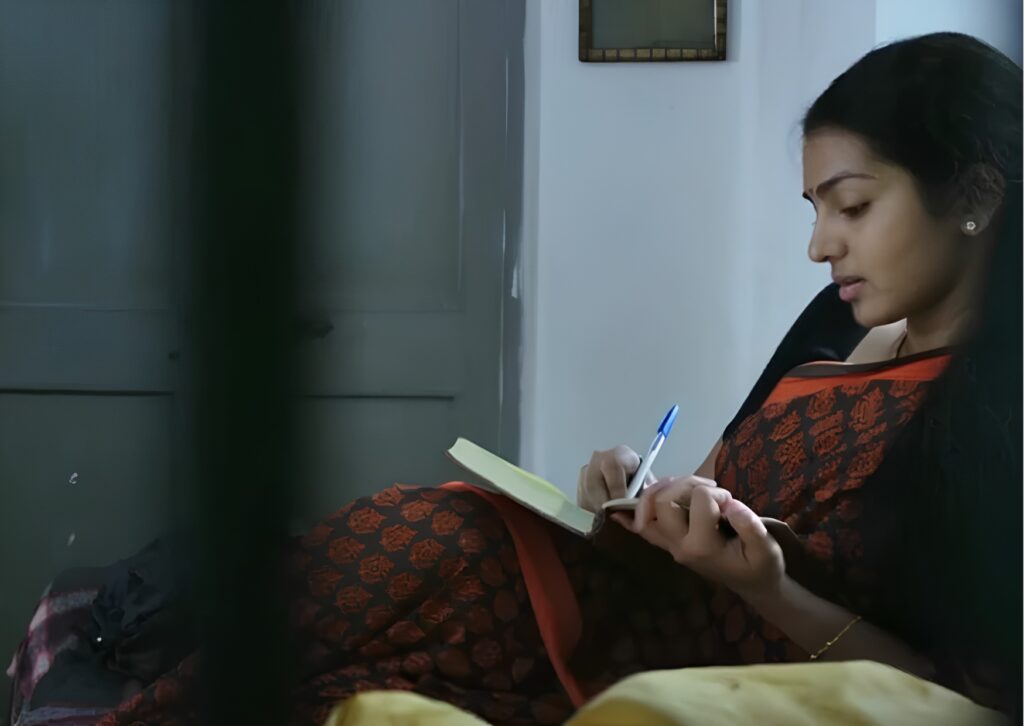
A few days before my period each month, I would notice a quiet but persistent voice emerging from within me. It was not loud enough to interrupt my daily life, but it was steady enough that I could no longer ignore it. This voice gently reminded me of the parts of myself that had been waiting patiently for my attention. It reminded me of my own needs, my dreams that had been postponed, my passions that had been placed on hold, and my desires that existed beyond my responsibilities to others.
Around me was a world that had grown accustomed to seeing me as a nurturer, someone who was always available, always giving, and always helping. Yet inside me, there was another truth slowly asking to be heard. The contrast between my outer life and my inner world became stronger as I moved deeper into my forties and closer to the menopausal transition.
Why Do So Many Women Feel Different During Perimenopause?
As I began studying the wisdom of the womb, women’s health, hormones, and the connection between the body and emotions, I stumbled upon fascinating research.
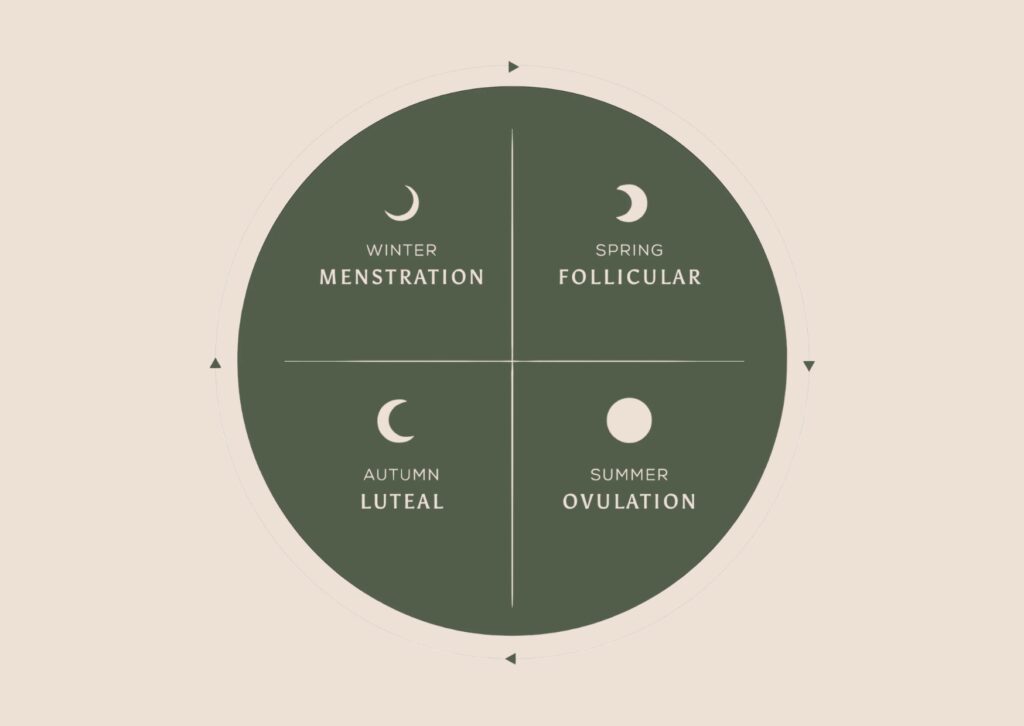
The research showed that just before ovulation, when estrogen levels are at their highest, women are often more connected to the outer world. During this phase, many women feel happier, more outgoing, more content, and more open to receiving care and affection from others. Communication feels easier. Social interaction feels lighter. Creativity and productivity often flow naturally.
However, after ovulation, as progesterone begins to rise, a different experience unfolds. Women often become more focused on their inner world. There is a natural shift toward reflection, emotional awareness, introspection, and self examination.
Understanding this helped me make sense of my own experience.
What I had once considered moodiness or inconsistency was actually my body communicating with me. My hormones were not working against me. They were inviting me into a deeper relationship with myself.
What Is Your Menstrual Cycle Trying to Teach You?
In my previous blog, ” Menstrual Cycle and Menopause: Understanding the Wisdom of Your Womb Through Every Life Stage ” I explored the four seasons of the menstrual cycle and how each phase carries its own wisdom.
The more I reflected on this understanding, the more I realized that the menstrual cycle is not simply a reproductive process. It is a monthly guide that teaches us how to live in alignment with our natural rhythms.
The first half of our menstrual cycle is designed to support creation and expansion. During this phase, we are both psychologically and biologically prepared to bring something into the world. Sometimes that creation may be a child. Other times it may be a project, a business, a relationship, a dream, or an idea that wants to take shape.
As we move into the second half of the cycle, something equally important begins to happen.
The second half of the cycle gently invites us inward. It asks us to pause and reflect on our experiences. It encourages us to reassess what is working and what is not. It gives us an opportunity to reconnect with ourselves and make small adjustments before moving forward again. Rather than constantly pushing ahead, this phase creates space for awareness and reflection.
When we understand this natural rhythm, we stop seeing our emotions as problems and begin recognizing them as valuable sources of information.
Why Do Emotions Feel Stronger During Perimenopause?
As I continued studying mind body connection, emotional wellbeing, hormonal health, and menopause awareness, I began noticing something important.
Many of us spend years suppressing emotions without even realizing it. We stay busy. We focus on our responsibilities. We continue caring for our families, supporting our loved ones, and meeting the demands of daily life. We learn how to function despite stress, disappointment, grief, anger, or sadness.
In many ways, we become experts at survival.
But survival is not the same as healing.
The emotions we ignore do not disappear. They remain within us, waiting for an opportunity to be acknowledged and understood. For many women, perimenopause creates that opportunity.
As hormones begin to shift, emotions that have been quietly stored away often begin to surface. This can feel overwhelming at first, but it can also become a profound opportunity for healing.
Over the years, I have found many ways to support myself emotionally, including:
- Rest
- Journalling
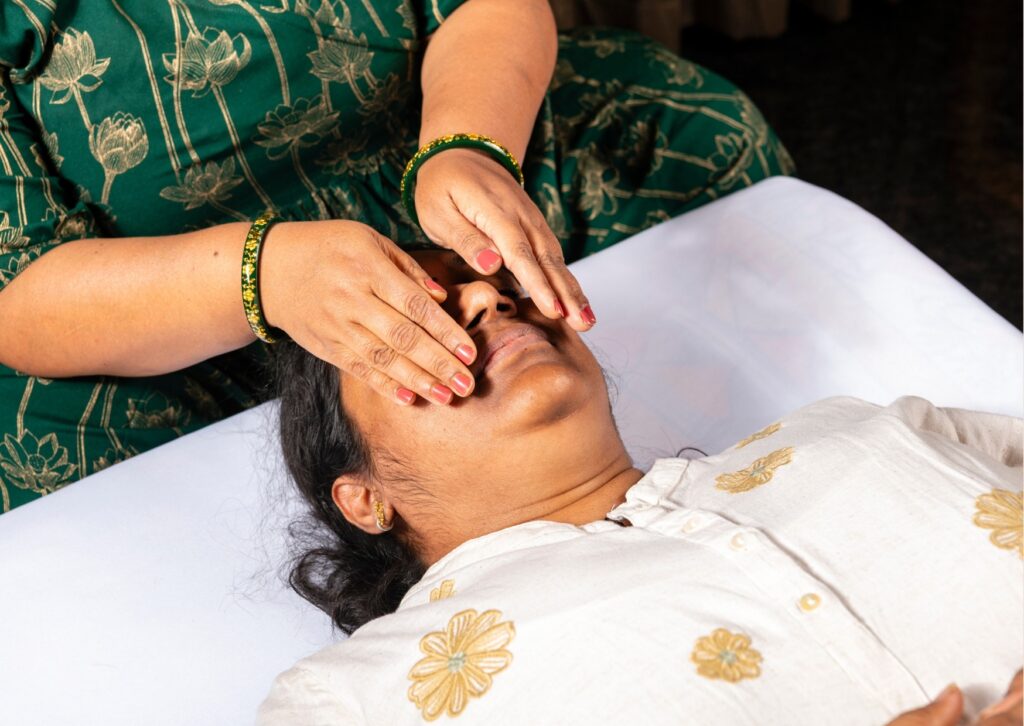
- Reiki
- Crying
- Somatic practices
- Creative expression
- Art
What changed everything for me was learning to stop judging myself during emotionally intense moments. Instead of asking why I was feeling this way, I became curious about what my body was trying to communicate.
Is Being Strong Always the Answer During Menopause?
Throughout my life, I have considered myself a survivor. I have faced difficult situations and navigated challenging experiences that required resilience, determination, and courage. I knew how to push through discomfort. I knew how to keep going when life became difficult. I knew how to remain strong even when circumstances felt overwhelming.
For many years, these qualities served me well.
However, perimenopause taught me something that strength alone never could.
It taught me that healing does not always come through effort and control. Sometimes healing comes through softness, curiosity, and compassion. It showed me that constantly fighting our experiences can create more suffering, while learning to be present with them can create understanding.
Perimenopause taught me that being a warrior is not always the answer.
Sometimes the answer is learning how to be gentle with yourself.
Sometimes the answer is learning how to listen.
Sometimes the answer is simply allowing yourself to be human.
How Can Self Kindness Help During Perimenopause and Menopause?
One of the greatest lessons I have learned is that the first step toward healing is kindness.
Before reaching out for help, before trying another solution, before searching for another answer, pause and ask yourself one simple question:
“How can I be kind to myself right now?”
This is not a question to ask once.
It is a question to return to throughout the day.
Many women spend years speaking to themselves in ways they would never speak to someone they love. We judge ourselves for feeling tired. We criticize ourselves for struggling. We blame ourselves for not doing enough.
Yet we are far more than our productivity.
We are far more than our ability to keep everyone else happy.
We are living, feeling, evolving human beings who deserve the same compassion we so freely offer others.
Can Reducing Self Induced Stress Improve Menopause Symptoms?
One of the most overlooked aspects of menopause support is the role of self induced stress.
Many women experiencing perimenopause symptoms or menopause symptoms wake up one day and realize that something feels different. In response, they often try to change everything at once.
A new diet.
A new fitness routine.
A new supplement plan.
A completely different lifestyle.
But when our endocrine system and hormones are already undergoing significant changes, making drastic adjustments can sometimes create additional stress. Instead, I encourage women to approach change with awareness and patience.
Observe your symptoms, track your experiences and always stay curious. Notice how your body responds and give yourself permission to move slowly.
Every woman experiences perimenopause and menopause differently. What supports one woman may not support another. Your journey deserves its own pace and its own wisdom.

Why Does Perimenopause Feel Like a Call to Mother Yourself?
One of the most profound realizations of this stage of life is that perimenopause asks us to mother ourselves.
For decades, many women have directed their nurturing energy toward everyone around them. Children, partners, parents, careers, communities, and responsibilities often receive the majority of our care and attention.
But during perimenopause, something shifts.
The nurturing energy that once flowed outward begins asking to flow inward.
This stage of life invites us to offer ourselves the same care, compassion, understanding, and patience that we have offered others for years.
It is not selfish.
It is necessary.
Is Menopause Really an Ending?
The word menopause is often interpreted as “men o pause,” but perhaps it carries a deeper invitation.
It is not about hiding from men or withdrawing from life. Instead, it can be viewed as a sacred pause from constantly operating in masculine energy. It is a pause from always doing, always achieving, always giving, and always pushing forward.
Menopause invites a woman to reconnect with her feminine essence. It encourages her to soften.
To reflect.
To listen.
To receive.
To trust herself.
To spend less time focusing on the demands of the outer world and more time exploring the richness of her inner landscape.
This is not an ending.
This is a homecoming.
This is an initiation into a new chapter of wisdom, self-awareness, and emotional freedom.

Why Is Monthly Self Reflection Important Before Menopause?
The menopausal transition is not only physical. It is also emotional, psychological, and spiritual.
It requires awareness, presence and a willingness to spend time with ourselves.
However, if we have spent decades believing that rest is a luxury, that solitude is selfish, and that slowing down is unproductive, then menopause can feel deeply uncomfortable.
Many women are suddenly asked to embrace a level of quiet and reflection that they have never practiced before. This is why the menstrual cycle is such an important teacher.
Every month, it gives us opportunities to slow down, listen inward, and reconnect with ourselves. These monthly experiences prepare us for the larger transition of menopause.
The more comfortable we become with stillness throughout our menstruating years, the easier it becomes to embrace the psycho spiritual growth that menopause invites.
How Can You Begin Supporting Yourself Today?
If you are a woman navigating perimenopause symptoms, menopause symptoms, emotional changes after 40, hormonal shifts, or simply feeling called to reconnect with yourself, my advice is simple.
Start with kindness.
Start with awareness.
Start with curiosity.
Ask yourself throughout the day: “How can I be kind to myself right now?”
This simple practice has the power to transform your relationship with yourself. Because menopause is not simply a hormonal transition.
It is an invitation to come home to yourself. And perhaps that is the wisdom your womb has been trying to teach you all along.

